
Geopolitics and Security
What we are tracking
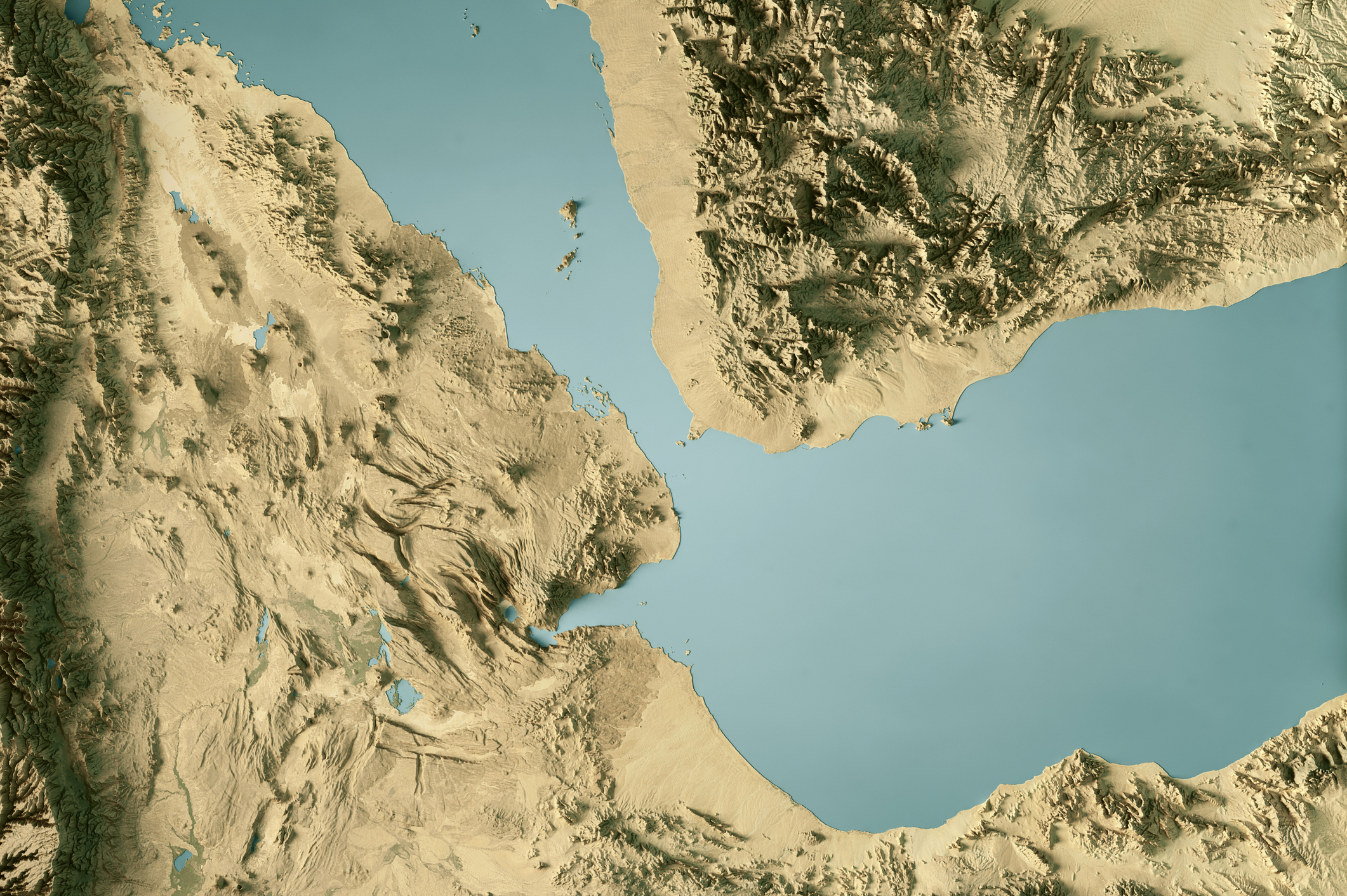
July ended as the most volatile month since the war began. Brent surged nearly 25% – its strongest monthly gain since March – as renewed U.S.-Iran hostilities shattered the interim peace agreement signed in June. Iran attacked two tankers transiting Hormuz under U.S. military escort on July 31, sending oil above $90 per barrel, with four other tankers turning back after the strikes. Then on August 3, Trump called off what he described as a “massive” planned military strike against Iran at the explicit request of Saudi Arabia, the UAE, Qatar, and Iran itself. Crown Prince Mohammed bin Salman called Trump personally, emphasizing “the necessity of prioritizing dialogue to de-escalate tensions.” Trump claimed a Hormuz deal and a nuclear agreement were both “around the corner” and said talks would begin that afternoon. Iran’s foreign ministry flatly denied any direct negotiations, with spokesman Esmaeil Baghaei saying Tehran was focused solely on discussions with Oman about the strait. Oil fell more than 5% on the announcement before recovering. As of August 4, the gap between Washington’s account and Tehran’s remains as wide as at any point in the conflict.
Why it matters
The GCC’s role this week was significant and deliberate. Saudi Arabia, the UAE, and Qatar actively intervened to pull the U.S. back from a strike Trump himself called potentially catastrophic – reflecting both the Gulf’s influence over Washington’s decision-making and its own strategic calculation that another round of major strikes would widen disruption and set back any Hormuz settlement. Iran simultaneously denying talks while the GCC presses for diplomacy captures the structural challenge: Gulf states are trying to engineer an off-ramp that neither primary party has publicly committed to.
What to watch
Whether the talks Trump announced materialize into a substantive process or prove another cycle of claim and denial; how Iran’s engagement with Oman on a temporary Hormuz route develops; and whether the GCC’s diplomatic intervention strengthens or strains its relationship with Washington as U.S. hawks push for a harder line.
Capital and Wealth
What we are tracking
Turkey is making a direct play for wealthy residents being unsettled by the Gulf conflict and the end of the U.K.’s non-dom tax regime. Bloomberg reported this week that Ankara has introduced a suite of tax incentives targeting globally mobile high-net-worth individuals, including a 20-year exemption on foreign-sourced income, minimal inheritance tax, and an amnesty program for undeclared overseas assets. The pitch is explicit: as Dubai and Abu Dhabi absorb the reputational and economic fallout of the war, with Fitch projecting Dubai’s economy will contract close to 7% in 2026 and expat departures putting pressure on the housing market – Turkey is positioning Istanbul as a stable, strategically located alternative. Banks operating from Istanbul’s financial center campus currently pay effectively zero corporate tax on financial services exports through 2031, a rate that on paper exceeds Dubai’s DIFC and Abu Dhabi’s ADGM offer for financial institutions. An estimated 9,800 millionaires moved to Dubai in 2025 alone, bringing $63 billion in wealth – the largest inflow of any city globally. The question now is whether the war changes that trajectory.
Why it matters
Dubai’s wealth hub model is more exposed to the war than any other Gulf economy precisely because it was built on foreign confidence rather than oil. The city cannot absorb a sustained expat exodus the way Abu Dhabi can draw on sovereign buffers. Turkey’s intervention is a signal that competitors are watching and moving and that the war is beginning to reshape the geography of globally mobile wealth in ways that extend well beyond energy markets. For Abu Dhabi and Dubai, defending their status as wealth destinations is not just a reputational question, it is a structural economic one.
What to watch
Whether Turkey’s incentives translate into measurable inflows from Gulf-based wealth; how Dubai’s luxury property market responds to sustained expat uncertainty through Q3; and whether Abu Dhabi’s stronger sovereign position allows it to widen the gap with Dubai as a wealth destination even as both face the same regional headwinds.
Strategy and Geopolitics
What we are tracking
The UAE has been expanding its footprint across Africa, the Financial Times describe it as the most consequential foreign power to stamp its mark on the continent in the past decade. Under President Sheikh Mohamed bin Zayed, the UAE has spread investment, influence, and military hardware across Africa with what the FT describes as “dizzying speed,” spanning ports, agricultural land, critical minerals, and covert security arrangements. DP World now operates or is developing ports, inland terminals, and free zones in 13 African countries. The International Holding Company, chaired by Sheikh Tahnoon bin Zayed, has committed billions to copper in Zambia, gold in DR Congo, Ethiopia and Mali, and iron ore in Mauritania. Since last year, IHC has controlled 7% of global tin supply through holdings in eastern DR Congo. Non-oil trade between Africa and Gulf countries now exceeds $100 billion, the vast share of it from the UAE and Saudi Arabia. The FT investigation also raised serious questions about the UAE’s role in Sudan’s civil war, with UN experts, Western intelligence agencies, and human rights groups having gathered evidence of Emirati arms supply lines to the Rapid Support Forces, allegations the UAE categorically denies. Nearly $30 billion of artisanal gold is estimated to be exported undeclared from Africa to Dubai each year, according to Swissaid.
Why it matters
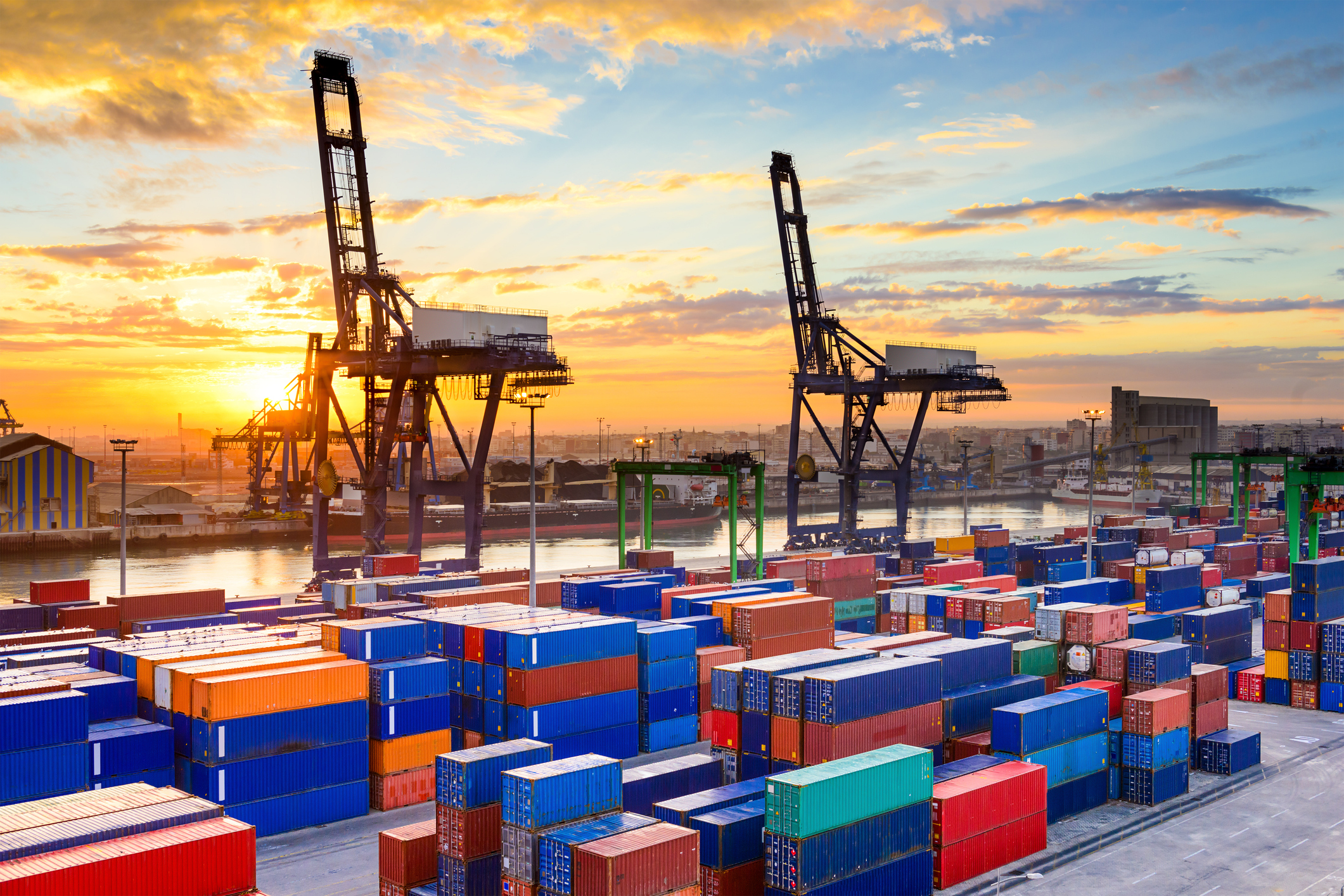
The FT investigation lands at a revealing moment. As Hormuz disruption isolates Jebel Ali — the cornerstone of the UAE’s global logistics network — Abu Dhabi’s African strategy takes on new strategic weight. The continent’s ports, trade corridors, agricultural land, and critical minerals are not peripheral to the UAE’s post-oil agenda — they are central to it. The investigation also surfaces a tension that will become harder to manage as the UAE’s international profile rises: the gap between its stated commitment to transparency and the opacity of some of its most consequential activities, from gold flows to arms transfers. For international firms and governments engaging with the UAE across Africa, the FT’s framing — “not a portfolio, it’s a system” — is the one worth internalizing.
What to watch
How the FT investigation shapes international scrutiny of UAE activities in Africa, particularly around gold sourcing and arms transfers; whether the Hormuz disruption accelerates Abu Dhabi’s push to deepen African port and logistics infrastructure as an alternative corridor; and whether African governments begin to push back more formally on the terms of UAE engagement as leverage and dependency deepen.
Related articles
- Trump Calls Off Massive Iran Strike, Announces Nuclear Talks
- Trump Says He’s Canceling Iran Strikes; Deal Pending
- Oil Prices Rise After Iran Says It Attacked Two Tankers Transiting Strait of Hormuz
- Turkey Seeks to Capitalise on Strategic Location to Attract the Rich from London and Dubai
- Iran War: Dubai Scrambles to Save Its Reputation as Haven for Rich