
Energy and AI
What we are tracking
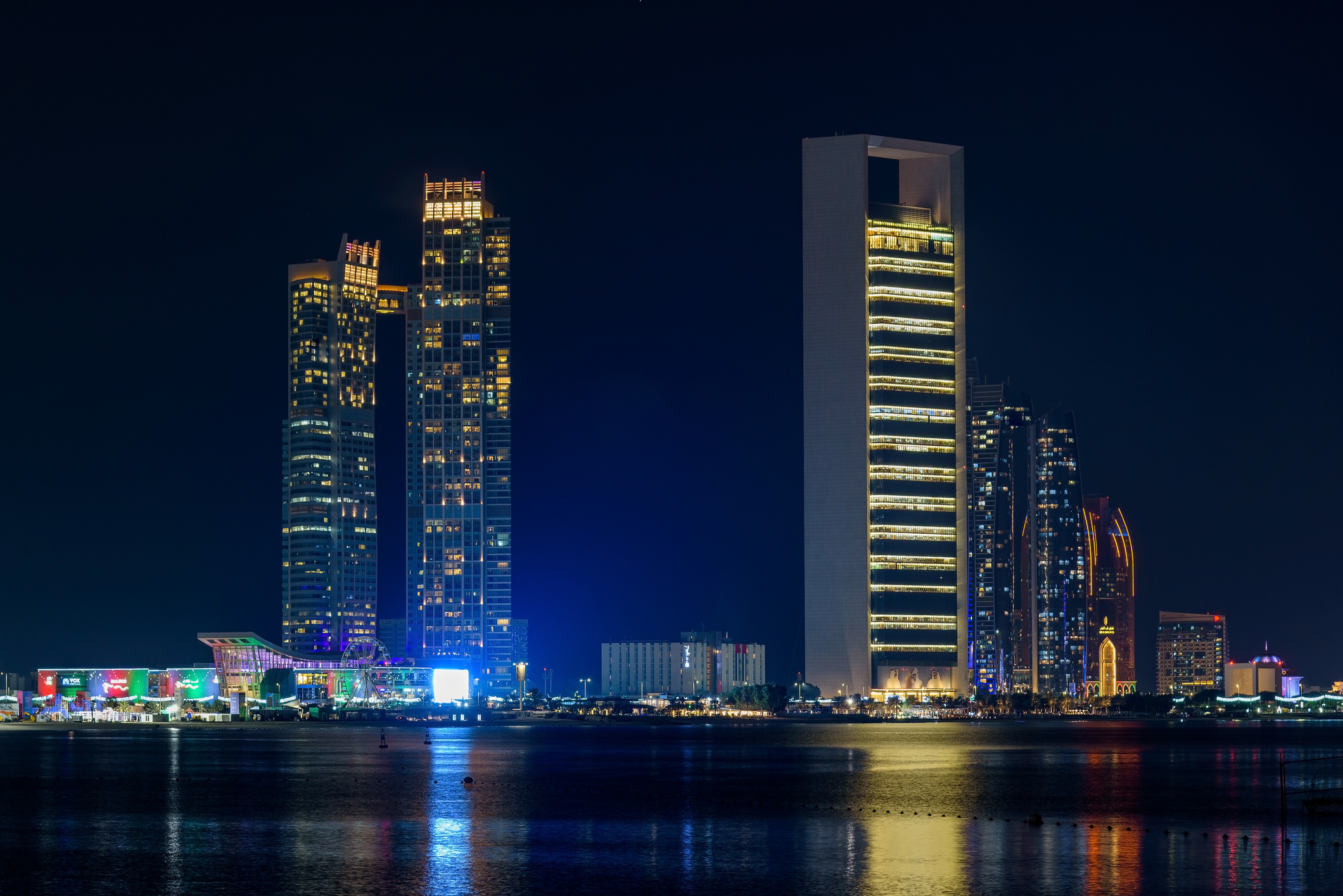
ADIPEC opened in Abu Dhabi on November 2 as the biggest gathering of energy executives in the Middle East since the war began, though ExxonMobil and Chevron cancelled plans to attend over security concerns. Opening the conference, ADNOC chief executive Sultan Al Jaber said the disruption in Hormuz had drained nearly 1 billion barrels from global inventories, leaving some markets with their lowest seasonal diesel stocks in 35 years. He called for expanded strategic storage, larger product stockpiles and refining capacity closer to consumers. “Supply only counts when it arrives,” he said, Bloomberg reported.
The headline deals were in AI. OpenAI chief executive Sam Altman met Abu Dhabi Crown Prince Sheikh Khaled bin Mohamed and signed agreements that make ADNOC the first energy company to deploy OpenAI’s frontier technology. The multi-year deal, signed with G42 unit Inception42 and running on G42 infrastructure in the UAE, will use AI agents to forecast crude supply, demand, prices and margins and to link decisions from oilfield development to trading. OpenAI also signed a deal with Mubadala and Inception42 on investment analysis, and launched a Machine-Readable Government initiative with the UAE’s Department of Government Enablement. A UAE consortium including MGX is expected to be the largest investor in OpenAI’s latest funding round, Semafor reported, citing the Financial Times. Asked about his biggest challenge, Altman gave a one-word answer: “Energy.”
Why it matters
Al Jaber’s message was aimed at importers as much as producers. The lesson of Hormuz is that supply security now depends on storage, refining and routes outside the Gulf, which is where ADNOC is already investing. The OpenAI deals show Abu Dhabi presenting energy and AI as a single offer, power for compute and capital for models, at the moment American AI firms most need both. The absence of Exxon and Chevron shows the security premium now reaching the region’s flagship events.
What to watch
Whether more international executives stay away from Gulf events if fighting resumes, whether the MGX-led consortium anchors OpenAI’s funding round, and whether importing countries act on calls for larger strategic stocks.
Regional Security
What we are tracking
The U.S. struck Iran’s Qeshm Island on November 2, the latest in a series of limited, unannounced strikes in recent weeks, the Wall Street Journal reported. Some officials described them as defensive. The same day, the IRGC fired a surface-to-air missile at a U.S. fighter jet, and U.S. forces intercepted an IRGC missile launched from Qeshm at commercial shipping. The island sits at the mouth of the Strait of Hormuz and hosts a large underground missile site. The strikes came as President Trump played down a return to war, telling reporters “we haven’t been doing any fighting for months,” though officials said he is still weighing a large post-election attack on Iranian infrastructure and nuclear sites. Washington has already told Gulf states to prepare for a short, intense campaign after the midterms, and has moved troops off vulnerable bases. Gulf governments are bracing. Qatar and the UAE have run security drills, including at airports, Saudi Arabia has moved schools nationwide to remote learning, and some ADIPEC attendees cut their stays short on government advice. The UAE is “braced for the worst,” Anwar Gargash told the IISS Manama Dialogue. Iran’s supreme leader has warned that retaliation would come “without any geographical limitations.” Qatari mediators have cut a proposed confidence-building period on Hormuz from seven days to two, but talks remain stuck on which side moves first.
Why it matters
The pattern matters more than any single strike. Washington is already fighting a quiet, limited campaign while signalling restraint in public, which narrows the gap between today’s standoff and a full resumption. Iran’s strategy is to raise the cost of any attack by hitting its more vulnerable neighbours, and Gulf states expect energy sites, airports and desalination plants to be in the target set. Writing in Foreign Affairs, two former U.S. officials argue that a Gulf-brokered ceasefire, trading economic relief for an open strait, is the best, and perhaps the only, face-saving exit for both sides.
What to watch
Whether Trump orders a large-scale strike in the days after the midterms, whether Qatar’s shorter confidence-building proposal moves either side, and whether Gulf states settle on a collective position or pursue separate arrangements with Tehran.
The Cost of War
What we are tracking
The war’s costs are mounting on every side. The Pentagon has told lawmakers the conflict cost $47.1 billion as of October 16, a figure that excludes damage to U.S. bases, which officials separately put at a minimum of $5 billion and possibly as much as $15 billion, the Wall Street Journal reported. A Journal analysis of satellite imagery found at least 119 buildings damaged at 13 installations in the first two weeks of the war alone, and the U.S. is in talks with allies to share repair costs. Keeping oil moving is expensive too. U.S. forces have escorted more than 3,000 commercial vessels through Hormuz over six months, with 50,000 troops and 20 Navy ships in the region, at an estimated cost of $2 billion to $3 billion a month. Gulf oil exports, including through bypass routes, have recovered above pre-war levels, but October was one of the most violent months for shipping since the war began, and war-risk insurance is keeping prices high, Bloomberg reported. The economic toll on the region is sharper. Saudi Arabia’s GDP shrank 3.8 percent year on year in the third quarter as oil activity fell 20.4 percent, though non-oil activity grew 1.9 percent. The IMF expects Gulf economies to contract by close to 5 percent this year, with Kuwait, Bahrain and Qatar facing double-digit declines, the New York Times reported.
Why it matters
The figures describe a war both sides can sustain but neither can afford indefinitely. Gulf economies are absorbing much of the damage. Saudi Arabia’s non-oil growth is holding up, but oil revenue, investor confidence and fiscal room are all under pressure, and economists are already raising the prospect of new taxes. The shipping data also flatters the picture. Refineries, LNG trains and terminals hit since February will take years to rebuild, a cost that markets betting on a long, contained conflict tend to overlook.
What to watch
Whether Congress forces fuller disclosure of the war’s costs, whether Gulf allies agree to fund base repairs, and whether fiscal pressure pushes Saudi Arabia toward new taxes.
Diplomacy
What we are tracking
Oman’s Sultan Haitham bin Tariq met President Xi Jinping in Beijing on November 2, the first visit to China by an Omani head of state since the two countries established ties in 1978. A joint statement said “normal and safe navigation through the Strait of Hormuz should be restored,” and Xi said the Gulf should not become an arena for rivalry among major powers, offering Chinese ideas for regional security, Bloomberg reported. China will send its special envoy for Middle East affairs to Iran, Oman and Saudi Arabia in early November. The visit produced 23 agreements, AGBI reported, including an $800 million joint fund between the Oman Investment Authority and China’s Silk Road Fund, further funds with China Merchants Bank, IDG Capital and Templewater, a solar manufacturing project and a satellite programme. From Beijing, the sultan flew on to Brunei for a three-day state visit, the first by an Omani ruler. The China visit came less than two weeks after a state visit to the UK, where King Charles praised Oman’s efforts to keep Hormuz open and its mediation with Iran. A UK-Oman joint statement reaffirmed Oman’s sovereignty over its waters in the strait, set out deeper cooperation on defence, AI and data centres, and raised UK Export Finance’s capacity for Oman to up to £7 billion.
Why it matters
Oman is using its position on the strait, and its record as the region’s quiet mediator, to secure backing from both London and Beijing within a fortnight. For China, which bought about 90 percent of Iran’s oil before the war, Muscat offers a low-risk way to show it can help shape Gulf security without taking sides. For Oman, the investment matters as much as the diplomacy, at a time when its stock market has held up better than its neighbours’.
What to watch
Whether China’s envoy carries concrete proposals on Hormuz to Tehran, Muscat and Riyadh, how quickly the new Chinese funds deploy capital, and whether the UK-GCC free trade agreement is finally signed.
Capital and Investment
What we are tracking
ADNOC’s international investment arm XRG agreed to pay $1.45 billion for Shell’s stake in Australia’s North West Shelf LNG project, plus a milestone-linked contingent payment, Bloomberg reported on November 3. The plant, operated by Woodside, is Australia’s oldest and largest, with capacity to liquefy 14.3 million tons of gas a year, almost 3 percent of global LNG capacity. The stake gives XRG greater access to customers in the Asia-Pacific region. It is XRG’s first deal in Australia after it withdrew its bid for Santos last year, and follows LNG agreements in the U.S. and Argentina as the company works toward becoming one of the world’s top five LNG suppliers. Shell said the sale realises value from a mature, non-operated asset as the plant moves to a third-party tolling model, in which buyers pay a fee to liquefy their gas. Other partners in the project include BP, CNOOC and a venture between Mitsui and Mitsubishi. Qatar is similarly looking to expand LNG supply outside the region to reduce its exposure to Hormuz.
Why it matters
The war has turned exposure to Hormuz into a balance-sheet risk, and Gulf producers are responding by buying supply they can deliver without it. XRG’s Australian stake puts ADNOC inside one of Asia’s established LNG hubs, close to its main buyers, and follows the same logic Al Jaber set out at ADIPEC: supply security now means owning assets and routes beyond the Gulf.
What to watch
Whether the deal clears Australian approvals, whether XRG adds further LNG assets outside the Gulf, and whether Qatar follows with overseas acquisitions of its own.
Related articles
- UAE Oil Boss Calls for More Stockpiles, Refining Closer to Users (Bloomberg)
- OpenAI’s Altman Signs Energy, Investment Deals in the UAE (Bloomberg)
- Abu Dhabi’s ADNOC, G42 Sign Deal With OpenAI as Sam Altman Travels to UAE (Reuters)
- Exxon, Chevron Cancel ADIPEC Executive Trips, Sources Say (Reuters)
- OpenAI’s Sam Altman Does Deals in Abu Dhabi Amid Fundraising (Semafor)
- U.S. Strikes Iran’s Qeshm Island as Trump Talks Down War Risks (Wall Street Journal)
- America’s Gulf Allies Prepare for New Round of Strikes on Iran, and the Blowback (Wall Street Journal)
- U.S. Warns Gulf of Possible Short, Intense Renewal of Iran War After Midterms (Wall Street Journal)
- US Strikes Iran’s Qeshm Island on Eve of Election (Financial Times)
- Gulf Braced for Escalation of War Between US-Israel Alliance and Iran (Financial Times)
- Only the Gulf Can End the Iran War (Foreign Affairs)
- How Iran Battered U.S. Bases and Caused Billions in Damage (Wall Street Journal)
- Inside the U.S. Military’s Open-Ended Mission to Keep Gulf Oil Flowing (Wall Street Journal)
- Saudi Arabia’s Economy Shrinks 3.8% as Oil Output Falls (Wall Street Journal)
- Gulf Economies, Torn by War in Iran, Desperately Need a Return to Normal (The New York Times)
- Iran War Cost Rises to $47.1 Billion, Pentagon Told Lawmakers (The New York Times)
- Shipping Strikes in Hormuz Leave Both Sides With Economic Pain (Bloomberg)
- The Gulf Isn’t Ready for a Renewed Iran War (Foreign Policy)
- Xi Hosts Oman’s Sultan for Rare Visit to China With Hormuz Shipping in Focus (Bloomberg)
- Oman-China Funds to Boost Bilateral Investment (AGBI)
- HM the Sultan Arrives in Brunei Darussalam (Times of Oman)
- King Praises Strait of Hormuz Peace Efforts at Glittering Banquet (BBC)
- UK-Oman Joint Statement on Omani State Visit (GOV.UK)
- Oman Stands Out Amongst Gulf Markets Weathering Disruption (Semafor)
- XRG to Buy Shell Australian LNG Plant Stake for $1.5 Billion (Bloomberg)
- Shell Agrees to Sell North West Shelf Interest to ADNOC’s XRG for $1.45 Billion (Reuters)