
Energy and AI
US Midterms
What we are tracking
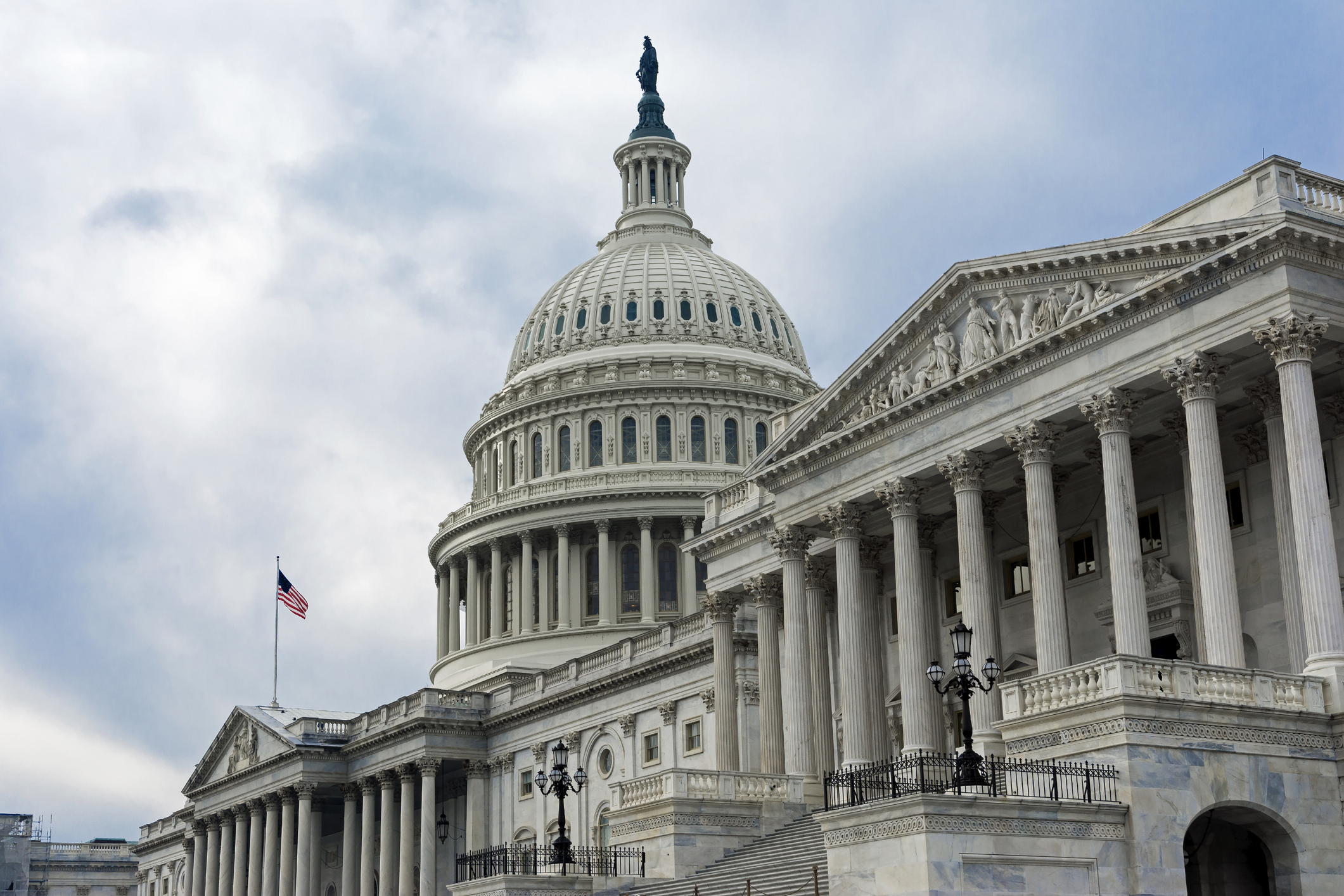
Democrats won control of both chambers of Congress in the November 3 midterm elections, delivering a major setback to President Donald Trump. Vice-President JD Vance attributed the Republican defeat to the war with Iran, citing voter demands to end the conflict and reconsider U.S. relations with Israel. His comments have raised the prospect of tensions within the administration over its next steps in Iran, particularly as Vance is considered a potential presidential candidate in 2028. Trump, who had previously considered renewed strikes against Iran after the elections, has since played down the prospect of further military action, telling the Financial Times that the U.S. is “not really in a war.” The Pentagon has nevertheless prepared options for additional strikes, and a third U.S. aircraft carrier is moving into the region.
The elections have also brought renewed attention to U.S. support for Israel. Trump said the U.S. would end its approximately $3.8 billion in annual military assistance to Israel by the end of 2026, although it remains unclear whether the decision will be implemented. The incoming Democratic majority could also seek to restrict military aid to Israel and limit U.S. involvement in the Iran war.
Why it matters
Presidents facing domestic political setbacks have historically turned to foreign policy to pursue achievements in their final years in office. However, the scale of the Republican defeat and opposition to the Iran war could instead push Trump toward a negotiated settlement and a reduced U.S. role in the region. For Gulf states, the uncertainty presents two risks. Renewed U.S. strikes could trigger further Iranian retaliation against regional infrastructure, while a withdrawal without a lasting settlement could leave Gulf governments facing greater pressure to reach an accommodation with Tehran.
What to watch
Whether Trump pursues renewed strikes or negotiations with Iran, whether differences between Trump and Vance become more pronounced, and whether the incoming Congress moves to restrict military operations or assistance to Israel.
Regional Security
What we are tracking
Regional mediators, led by Qatar, have stepped up efforts to broker an interim agreement between Washington and Tehran. Under the proposal, Iran would allow shipping to move freely through the Strait of Hormuz in exchange for the U.S. lifting its blockade of Iranian ports, allowing oil exports and granting access to some frozen assets. Disagreements remain over the sequencing of these measures, nuclear inspections and Iran’s 440kg stockpile of highly enriched uranium. President Donald Trump has indicated that further strikes against Iran are unlikely as long as negotiations progress, although his advisers remain divided over the next steps. The U.S. blockade continues, with American forces disabling a cargo ship attempting to breach it on November 7. Brent crude fell 5.8 percent to $92.57 a barrel on November 9 as markets weighed the prospects for a diplomatic resolution, the Wall Street Journal reported.
Threats to Gulf shipping and infrastructure persist. Iran has reportedly used underwater drones and explosives attached to ships to disrupt traffic through Hormuz, where more than 35 incidents were recorded in October, according to the UK Maritime Trade Operations centre. The Financial Times also reported that at least four Iran-linked vessels were observed manoeuvring unusually over subsea telecommunications cables in the Gulf of Oman, following Iranian threats against digital infrastructure. In Saudi Arabia, Houthi attacks on November 8 caused minor damage to Saudi Aramco’s offices in Riyadh’s financial district, with no casualties reported. The Houthis also claimed to have targeted Riyadh airport and oil storage facilities. Earlier attacks on Riyadh airport in October killed at least 17 people and injured more than 300, according to the Saudi-led coalition.
Why it matters
Diplomatic efforts are continuing, but threats to Gulf infrastructure remain. Iran’s maritime tactics continue to disrupt shipping, while Houthi attacks have extended the risks to Saudi Arabia’s aviation and commercial centres. Threats to subsea cables add a further vulnerability for Gulf economies investing heavily in digital infrastructure. Iraq, Kuwait, Bahrain and Qatar depend entirely on cables passing through Hormuz for international internet connectivity. Even an interim agreement may leave broader security risks unresolved.
What to watch
Whether Qatar-led mediation produces an interim agreement on Hormuz, whether Washington maintains its blockade or resumes larger strikes, and whether attacks on Gulf shipping and infrastructure continue.
Diplomacy
What we are tracking
The race to succeed António Guterres as UN secretary-general remains unsettled ahead of his departure on December 31. Former Costa Rican vice-president Rebeca Grynspan leads the latest informal Security Council poll with 12 votes of encouragement, followed by International Atomic Energy Agency chief Rafael Grossi with nine. UAE Minister of State Lana Nusseibeh placed fourth with seven votes, while former Turkish foreign minister Feridun Sinirlioğlu has also entered the race. The late candidacies have challenged the informal expectation that the next secretary-general should come from Latin America. Any appointment requires the support of at least nine Security Council members and no veto from its five permanent members.
Nusseibeh, a former UAE ambassador to the UN, has said she would act independently of Abu Dhabi and make Sudan an immediate priority if appointed. Her candidacy has received support from Gulf states and the Palestinian Authority.
Why it matters
The selection comes as the UN faces financial pressure and questions about its ability to respond to international conflicts. For the Gulf, Nusseibeh’s candidacy represents an opportunity for greater regional representation in international diplomacy. The outcome will depend on whether any candidate can secure agreement among the Security Council’s permanent members, whose competing priorities have so far prevented a consensus.
What to watch
Whether Grynspan can secure the backing of all five permanent Security Council members and whether Nusseibeh gains support in subsequent polls.
The Economy
What we are tracking
Gulf dealmaking has slowed sharply as the Iran war disrupts investment plans and political changes in Washington raise concerns about greater scrutiny of transactions. Mergers and acquisitions involving Gulf companies fell to approximately $5 billion in the third quarter, down from $69 billion a year earlier, while fourth-quarter deal values are down more than 90 percent year on year so far, Bloomberg reported. Gulf initial public offerings have raised less than $2 billion this year. Investment has not stopped, however. Gulf dealmaking remains above its five-year average, and sovereign wealth funds continue to invest in technology, logistics and infrastructure. Middle East and North Africa funds are projected to deploy $136 billion across 327 deals in 2026, the second-highest annual deal count on record, according to Global SWF.
The war is also straining government finances. Saudi Arabia’s third-quarter budget deficit more than doubled to $22.4 billion, as oil revenues fell nearly 40 percent from the previous quarter to their lowest level since 2020, Bloomberg reported. Disrupted oil exports and lower payments from Saudi Aramco contributed to the decline, while higher defence and infrastructure spending is adding pressure. Economists expect the kingdom’s annual deficit to exceed government forecast.
Why it matters
The figures point to a more selective investment environment rather than a retreat of Gulf capital. Governments are balancing international investment ambitions against growing domestic costs, while the war has exposed their dependence on oil revenues, U.S. security guarantees and the Strait of Hormuz. Reducing those vulnerabilities requires substantial investment in new industries, defence capabilities and alternative export routes. Saudi Arabia faces particular pressure to sustain its diversification plans while managing a widening deficit, even as wealthier Gulf states retain greater financial flexibility.
What to watch
Whether dealmaking recovers before year-end, whether Washington increases scrutiny of Gulf investments, and whether Saudi Arabia adjusts spending or borrowing as fiscal pressures persist.
Capital and Investment
What we are tracking
Dubai’s first IPO of 2026 has attracted strong demand despite the slowdown in Gulf capital markets. DIP Holding raised $529 million through the sale of a 20 percent stake, with the offering approximately four times oversubscribed, Bloomberg reported. Saudi Arabia’s Public Investment Fund and a unit of Blackstone were among the investors, alongside buyers from the UAE, Oman, the UK and Norway. Shares are expected to begin trading on November 11. The offering comes as Gulf IPO proceeds have fallen below $2 billion this year and Dubai’s benchmark index has declined about 7 percent since the Iran war began. DIP priced its shares at the midpoint of the marketed range, with its chairman citing tighter regional and global liquidity.
Why it matters
The offering provides a sign of continued investor appetite for Gulf assets despite the war, particularly from international institutions and regional sovereign wealth funds. It also highlights continued investment ties between Saudi Arabia and the UAE following tensions earlier this year. Demand was strong, but the pricing reflects a more cautious market, and one successful offering does not necessarily signal a broader recovery in Gulf listings
What to watch
How DIP shares perform when trading begins on November 11 and whether other Gulf companies move forward with planned listings.
Related articles
- The Dangers of a Lame-Duck Trump (Foreign Affairs)
- What will a lame-duck Donald Trump get up to overseas? (The Economist)
- Trump’s defeat heralds a US retreat (Financial Times)
- US midterm results herald upheaval in Middle East policy (Financial Times)
- Oil Futures Slide as Trump Says New Strikes on Iran Unlikely (Wall Street Journal)
- Iconic Saudi Tower Hit as Yemen’s Houthis Target Riyadh (Wall Street Journal)
- Saudi Aramco office in Riyadh damaged in latest Houthi strikes (Financial Times)
- Trump’s Clashing Advisers Press Him to Make Iran War Decision (Wall Street Journal)
- Gulf Airports Built to Connect the World Are Now in the Crosshairs (Wall Street Journal)
- Iran Turns to Guerrilla Tactics in Bid to Reassert Grip on Strait of Hormuz (Wall Street Journal)
- Iran-linked ships hover over subsea cables after threats (Financial Times)
- Iran celebrates Trump’s election defeat as mediators push for deal to end war (Financial Times)
- Political Losses Deepen the Stakes as Trump Contemplates Renewed Iran Attack (New York Times)
- A ‘Chaotic Race’ for the World’s Top Diplomat (New York Times)
- U.A.E. Sent ‘Desert Wolves’ to Help Sudanese Militia Accused of Genocide (New York Times)
- UN Report Finds UAE Funded Colombian Mercenaries Fighting in Sudan (Bloomberg)
- Iran War Forces Gulf States to Rethink Oil, US Security and Hormuz (Bloomberg)
- UAE, Saudi, Qatar, Kuwait Dealmaking Derailed by Iran War Faces Fresh Threat (Bloomberg)
- Saudi Arabia Budget Deficit More Than Doubles as War Strains Finances (Bloomberg)
- Blackstone, Saudi PIF Back Dubai Firm’s $529 Million IPO (Bloomberg)