
Energy and Security
What we are tracking
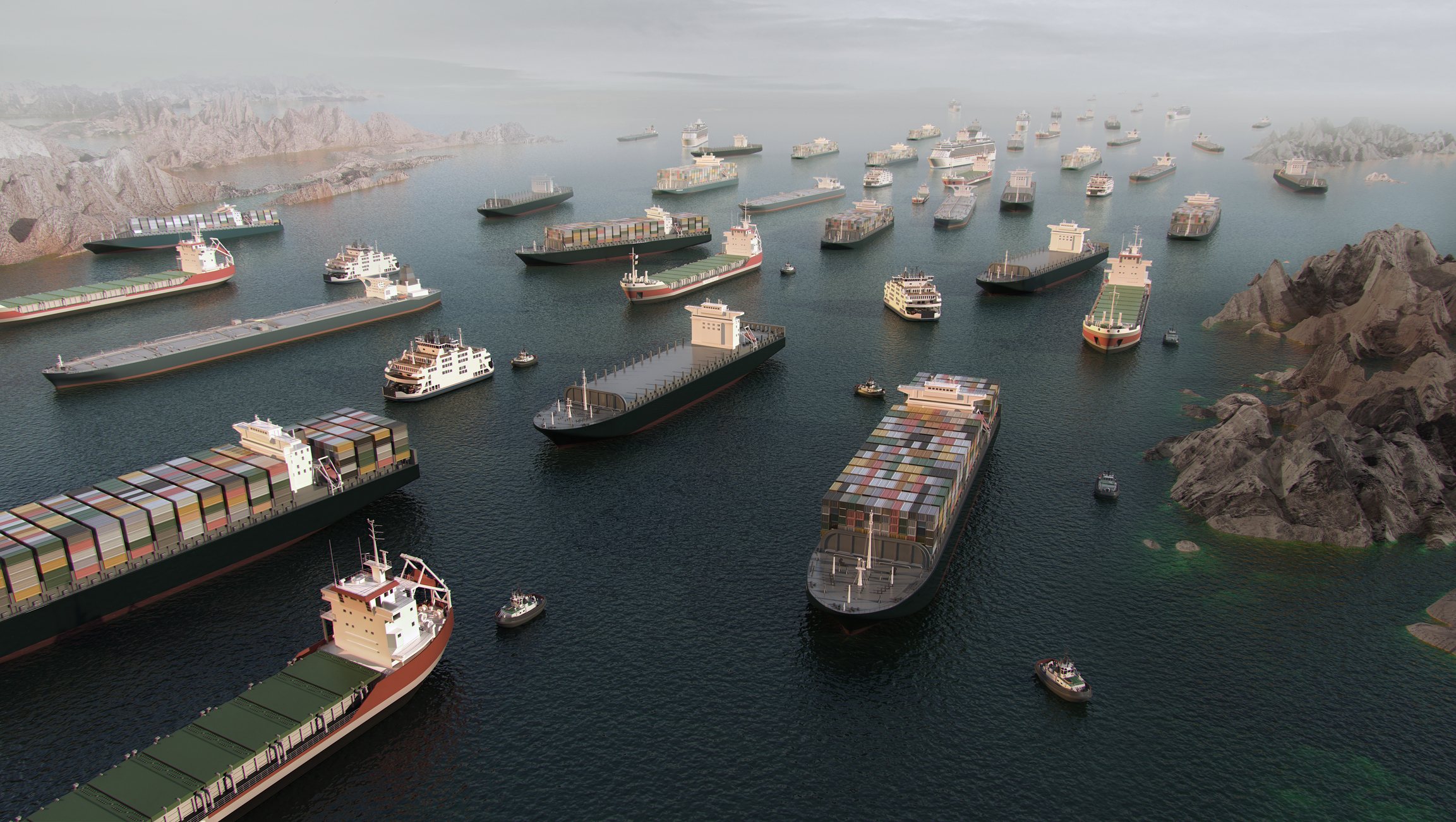
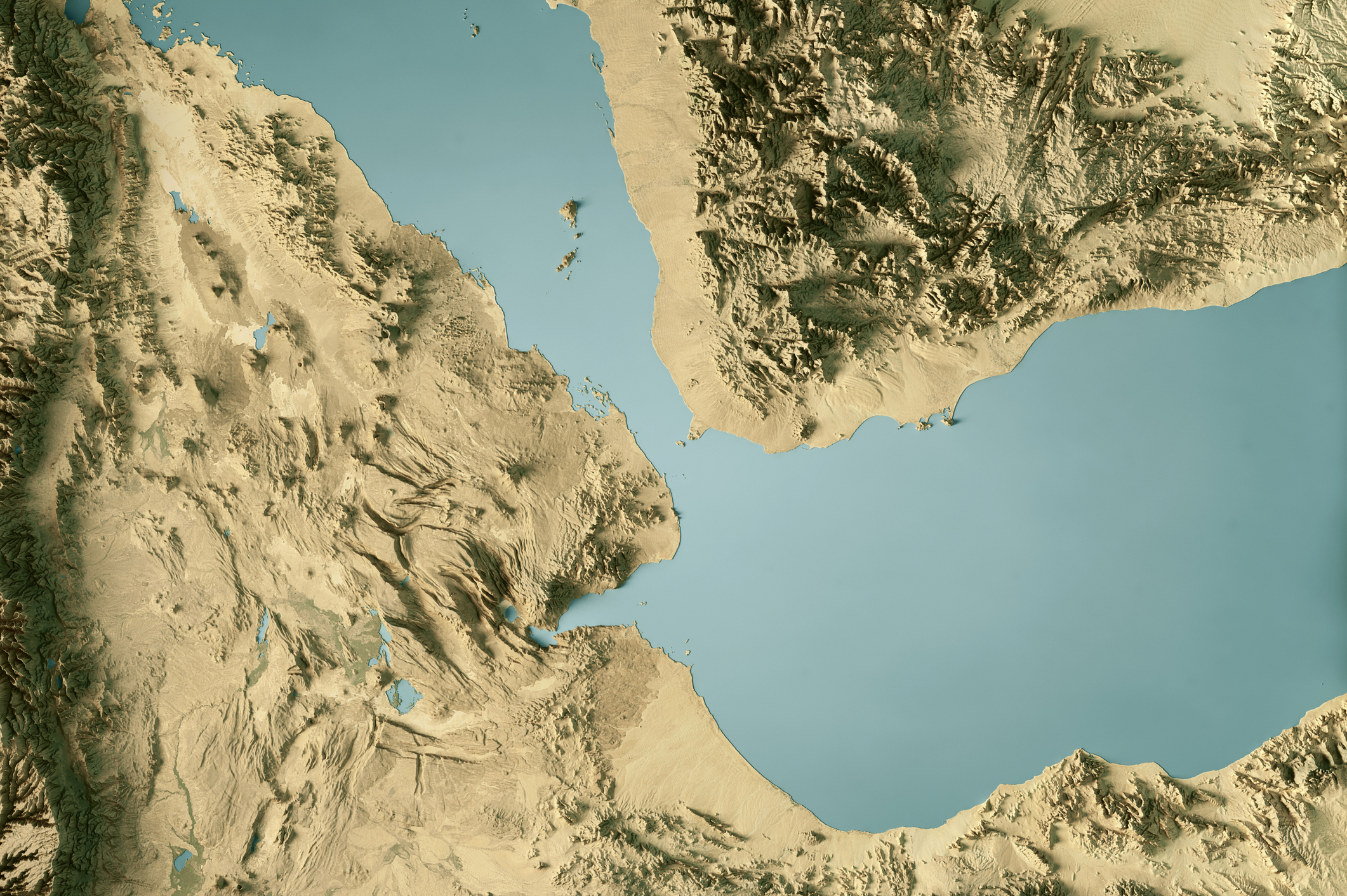
As Iran-backed Houthi rebels swept down Yemen’s Red Sea coast last week, Saudi Crown Prince Mohammed bin Salman called Donald Trump to seek U.S. support. The Houthis were closing in on the Bab al-Mandeb, the narrow strait that has become crucial for Saudi crude exports since Iran throttled shipping through the Strait of Hormuz, while firing waves of missiles and drones at energy facilities in Saudi Arabia’s southern provinces. Simultaneously, an attack from the north by Shia militants in Iraq forced the closure of the East-West pipeline, Saudi Arabia’s primary Hormuz bypass route carrying between 4 and 5 million barrels per day to the Red Sea port of Yanbu. Saudi oil production had already fallen to 6.2 million barrels a day in August, its lowest level for 36 years. With the pipeline shut, analysts at Energy Aspects expect the Yanbu and Petro Rabigh refineries to start cutting production imminently, with stocks at Yanbu sustaining only a few days of crude loadings. Trump, when he spoke publicly, appeared unperturbed. “They don’t want to fight with us,” he said of the Houthis during a visit to Ireland. “They’re letting most ships go through. There’s just one country that they’re not too happy with, and we’ll get that straightened out.” A diplomat said Riyadh had requested U.S. air cover but Washington responded it was not willing to intervene at present, focused on the war with Iran.
Why it matters
Saudi Arabia now faces simultaneous pressure from the south, the north, and the east – Houthis at the Bab al-Mandeb, Iraqi militants on the pipeline, and Iran’s ongoing campaign through Hormuz – with both principal export corridors significantly impaired and limited U.S. appetite to intervene directly. Riyadh faces a policy dilemma it cannot easily resolve: engaging with Houthi demands risks setting a difficult precedent, but escalating risks a two-front war that could cost Aramco half its production.
What to watch
How quickly Aramco can restore East-West pipeline flows and whether Yanbu refineries cut production in the interim; whether the U.S. shifts its position on direct intervention in Yemen as the fiscal and political pressure on Riyadh intensifies; whether Crown Prince Mohammed pursues a negotiated off-ramp with the Houthis or presses for military pushback; and whether the front lines along Yemen’s southern coast stabilize or the Houthis move to fully close the Bab al-Mandeb to all shipping.
Regional Security
What we are tracking
The Houthi advance down Yemen’s Red Sea coast was a rapid, coordinated offensive conducted with direct operational guidance from Iran’s Revolutionary Guards, the WSJ reported. Within days, Houthi forces seized the coastal city of Mokha, the Red Sea islands of Hanish, and then Perim Island, which divides the Bab al-Mandeb Strait into its two navigable channels, barring Saudi-flagged vessels from transit. Front lines have since stabilized in what one analyst described as “a no man’s land.” The New York Times reported separately that the Houthis’ arsenal has grown significantly more sophisticated and self-reliant over six months of conflict, with Iranian-made missiles with a range of more than 2,000 kilometres, unmanned submarines, and an expanding drone fleet. That self-reliance took a striking new dimension when Anthropic revealed that a weapons-development cell in Houthi-controlled northern Yemen used its Claude AI model to develop guidance software for ballistic missiles and rockets, simultaneously running three weapons programmes including a multi-stage ballistic missile and a hypersonic glide vehicle. The cell did test-fire a guided rocket, which failed, and within hours returned to Claude to work out why. Anthropic subsequently banned the relevant accounts. “There’s a tendency to see the Houthis as this group of barefoot tribal fighters, and that’s just not true,” said Adam Baron of the New America think tank.
Why it matters
The Anthropic disclosure captures in a single episode the broader trend the NYT is reporting: the Houthis are not a depleted proxy force operating on Iranian instructions. They are actively investing in domestic weapons development and now attempting to use frontier AI tools to accelerate that process, with implications well beyond Yemen.
What to watch
Whether the Houthis succeed in developing domestic guided-weapons capability independent of Iranian supply chains; whether Saudi-backed forces can stabilise and push back along Yemen’s southern coast; and how AI companies respond to the challenge of detecting and blocking weapons-related misuse at scale.
Trade and Logistics
What we are tracking
DP World announced this week it is expanding its overland trucking network by approximately 40 percent, growing its fleet from 700 to 1,000 vehicles, in a structural bet that shipping through the Strait of Hormuz will not return to its pre-war normal. Chief Operating Officer for Freight Forwarding Europe Stephen Whittingham told Bloomberg the company launched a road service from western Europe to the Gulf via Turkey within days of Iran closing the strait, currently handling up to 50 trucks per week, with demand concentrated in automotive parts and consumer products. A one-way trip from Amsterdam to Dubai via Turkey covers approximately 6,700 kilometres. DP World is building hybrid sea-and-road routes connecting Fujairah, Salalah, and Jeddah to onward road networks, and has committed approximately $800 million to terminal upgrades at Jeddah and Tartus on Syria’s Mediterranean coast, both of which anchor the trucking corridors. The company raised $1.6 billion in bonds last week to fund the expansion. Before the conflict, Jebel Ali was the busiest container port outside Asia; it saw nearly a 60 percent drop in volumes in the first half of 2026, falling from the global top ten to 32nd by throughput. Whittingham noted that even once Hormuz reopens, customers are likely to continue using land routes. “I don’t think it’s going to go away completely,” he said.
Why it matters
DP World’s COO’s statement that “I think we’ll never get back to the original normal” is the most direct acknowledgment yet from a major Gulf logistics operator that the war has permanently altered trade infrastructure calculus. The 40 percent fleet expansion is being funded and executed now, not planned for after the conflict ends, signalling conviction that elevated overland logistics demand is structural. Land routes cost three to four times more than sea routes per unit of cargo, and DP World is absorbing that premium and building the infrastructure to sustain it. The Jebel Ali volume collapse has implications that will outlast the physical reopening of Hormuz.
What to watch
Whether DP World’s trucking expansion attracts other logistics operators to invest in similar overland capacity; how quickly Jebel Ali volumes recover once Hormuz reopens; whether the Tartus terminal investment survives Syrian political dynamics; and whether the EU or other trading partners invest in complementary infrastructure along the Turkey-Gulf corridor.
Capital and Economy
What we are tracking
UAE President Sheikh Mohamed bin Zayed’s state visit to Berlin on September 10 produced a €40 billion ($46.4 billion) investment commitment in Germany, the largest single Gulf-Europe investment announcement of the year. The package spans AI, data centres targeting approximately 1 gigawatt of new capacity, digital infrastructure, advanced technology, and energy, with €10 billion earmarked for Bavaria. A UAE-Germany Investment Council and 12-point cooperation plan were also launched. German Chancellor Friedrich Merz described the announcement as showing international investors have “enormous trust in Germany.” Separately, Bloomberg reported this week on the UAE’s September reset: offices are filling, schools have reopened, and conferences are proceeding, but hotel occupancy remains at 56 percent compared to roughly 80 percent in 2025, luxury property sales above $4 million fell 59 percent in the spring, and Dubai International Airport passenger traffic fell 31 percent year-on-year in the first half of 2026. The UAE government has deployed a Dh1.5 billion stimulus package including hotel tax suspensions and tourism vouchers.
Why it matters
The UAE-Germany deal and the September reset together tell a single story about how the UAE is navigating the war: deploying capital outward at scale while absorbing domestic economic pressure without abandoning the fundamentals that made it attractive in the first place. The €40 billion commitment positions the UAE as a long-term partner in Europe’s reindustrialization and AI buildout at precisely the moment its own regional position is under stress. The September data is more sobering: the gap between pre-war trajectory and current performance is real and wide. But businesses are adapting rather than leaving, and the phrase “neither war nor peace” captures the current equilibrium.
What to watch
Whether the UAE-Germany Investment Council translates the €40 billion commitment into signed project agreements; how quickly hotel occupancy and luxury property sales stabilize as the September conference season builds momentum; and whether the UAE’s outward capital deployment strategy holds if the domestic economic pressure deepens into Q4.
Related articles
- Iran’s Allies Squeeze Saudi Arabia “On All Fronts”
- The Lightning Offensive That Saw the Houthis Grab a Crucial Oil Corridor
- What Is Saudi Arabia’s East-West Pipeline and Why Is It Rocking Oil Markets
- Yemen’s Houthis Show Growing Sophistication and Self-Reliance in Weaponry
- Ports Giant DP World Redraws Hormuz Logistics With Trucking Bet
- UAE Plans to Invest $46 Billion in Germany to Boost Europe Ties
- Neither War Nor Peace: UAE Residents Return to a New Normal