
Geopolitics and Security
What we are tracking
The Wall Street Journal reported on August 20 that the UAE has suspended financial and economic transactions with Iran, following weeks of pressure from the Trump administration. According to the report, US officials told Emirati counterparts that targeting money flows linked to the Islamic Revolutionary Guard Corps could have a greater impact on Tehran than the naval blockade of Iranian ports. Before the war, the UAE was reportedly Iran’s largest source of imports ahead of China, supplying more than 30 percent of the total, around $21 billion in 2024, according to the World Trade Organization. The Treasury Department has previously assessed that $9 billion passing through correspondent accounts at US banks in 2024 appeared tied to clandestine Iranian financial activity, with UAE-based firms receiving 62 percent of those funds. The UAE has said it adheres to sanctions and is committed to protecting the integrity of the global financial system. The move followed what Emirati officials describe as Iranian attacks on seven of its ships in August, and a ballistic missile launch toward the UAE on August 18. Trump warned on social media that any country providing a lifeline to Iran would face economic consequences.
Why it matters
This is the most consequential commercial decision the UAE has taken during the war, and it carries real cost. People familiar with Emirati thinking told the Journal that officials view the measures as gradual escalation rather than a wholesale break, beginning with cargo restrictions and potentially expanding if Guard attacks continue. Two concerns reportedly shape that caution: that deeper economic pressure on Iran could damage the non-oil parts of Gulf economies that depend on tourism and trade, and that Abu Dhabi wants to preserve a diplomatic channel to Tehran if the pressure campaign fails. Analysts quoted in the piece also note the practical limits. Much Iranian activity moves through shell companies and exchange houses without an Iranian name appearing on the transaction, and policing every free zone and small-vessel movement across seven emirates is a different proposition from closing official banking channels.
What to watch
Whether the UAE extends restrictions from cargo to a broader crackdown on Iranian-linked entities; how the measures affect Dubai’s position as a re-export and trade hub; whether other Gulf states face similar pressure from Washington; and whether Iranian attacks on Emirati shipping continue or intensify in response.
Iran and Regional Outlook
What we are tracking
Bloomberg reported on August 25 that Hossein Taeb has returned to lead Iran’s Basij volunteer militia, a role he held previously. The 63-year-old built a four-decade career in Iran’s post-revolution security apparatus and his appointment earlier this month places him among a small circle of confidants to the new Supreme Leader, Mojtaba Khamenei. The move follows a broader overhaul of Iran’s national security leadership announced in mid-August, which elevated veteran hardliners across the security establishment and was widely read as signalling a more confrontational posture both domestically and externally. Iran’s original security leadership was substantially destroyed in the February strikes, with the IRGC commander, defence minister, and chief of the general staff among those killed, creating the vacuum these appointments are now filling.
Why it matters
The Basij is the internal security instrument that has historically been deployed against domestic protest, and its leadership matters for how Tehran manages a population under severe economic strain. The Iranian rial has hit record lows, with the dollar crossing two million on the open market, and reports have circulated of the regime bracing for unrest in the autumn. A leadership building capacity for internal control while simultaneously elevating hardliners across the external security portfolio suggests preparation for a prolonged confrontation rather than a negotiated exit.
What to watch
Whether the reconstituted security leadership changes Iran’s approach to the Hormuz negotiations with Oman; how the regime responds if economic pressure produces domestic unrest in the autumn; and whether the elevation of hardliners narrows the space available to Iran’s negotiating team.
Strategy and Analysis
What we are tracking
Foreign Affairs published a piece by F. Gregory Gause III arguing that the US-Israeli war against Iran, despite appearing transformative, has left the regional order substantially unchanged. Tehran has reasserted its regional position by exercising a chokehold over the Strait of Hormuz and striking its Gulf neighbours. The prewar regime remains largely intact, now dominated by the IRGC, and Gause argues the new leadership is as committed as its predecessors to opposing Israel and operating in weak Arab states. The war was intended to sap Iranian power, if not end the regime. Gause contends it has instead given the Islamic Republic a new lease on life. He also notes that despite two and a half years of fighting and tens of thousands of deaths, the situation across Israel, Gaza and the West Bank is broadly where it stood before October 2023.
Why it matters
The piece is a useful corrective for anyone building strategy around the assumption that this conflict produces a durable regional realignment. Gause’s argument implies that Gulf states should plan for a persistent Iran problem rather than a resolved one, and that the security arrangements being constructed now, from the Mecca pact to the Red Sea coalition to the Hormuz bypass infrastructure, are responses to a permanent condition rather than temporary measures. It is worth reading alongside the Gulf’s own behaviour this week, which increasingly reflects that same conclusion.
What to watch
Whether Gulf defence and infrastructure investment continues to be structured around long-horizon assumptions; how the argument lands in Washington policy circles as pressure builds for further escalation; and whether the reconstituted Iranian leadership validates or complicates the thesis.
Sports and Business
What we are tracking
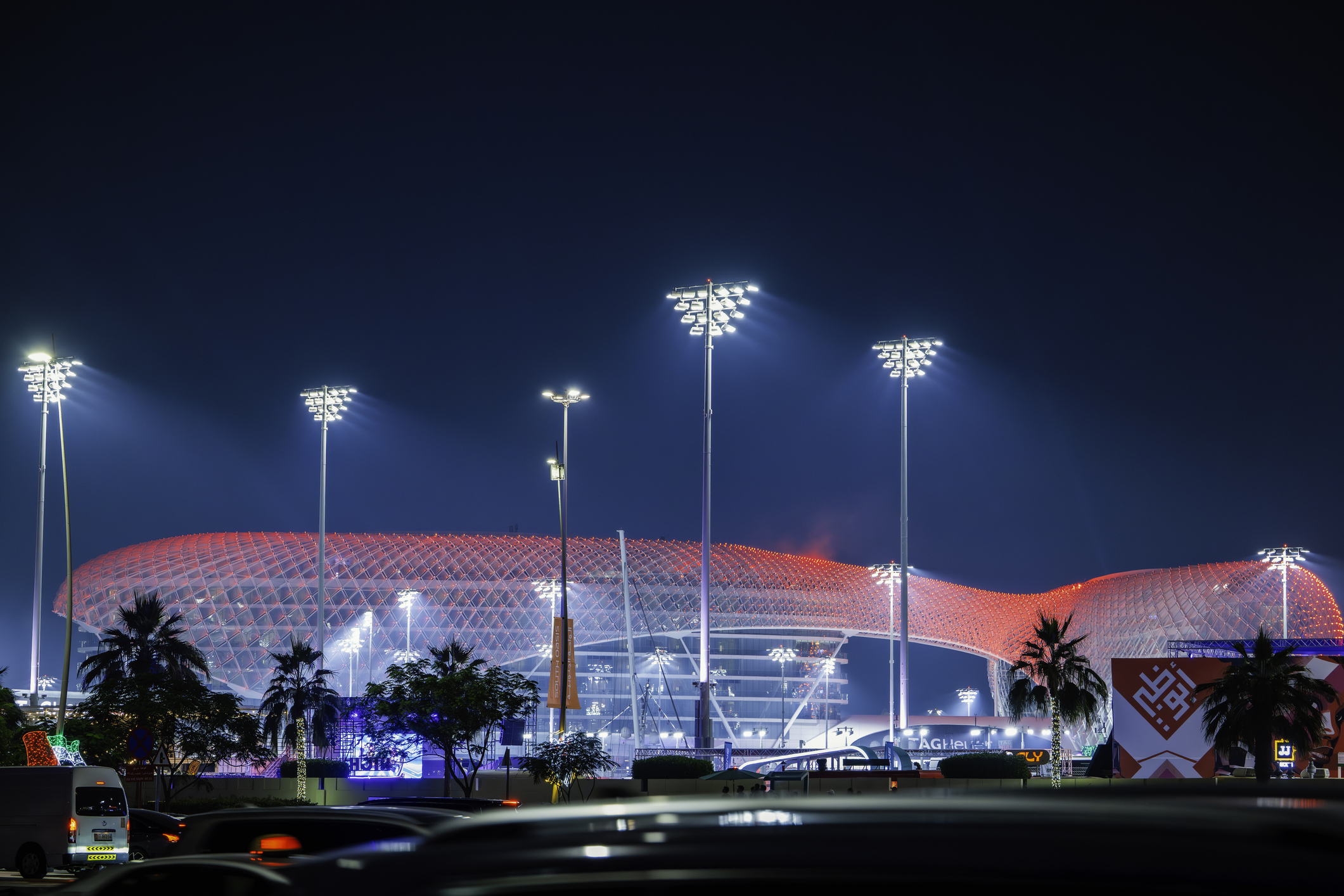
Formula 1 confirmed on August 23 that the season will conclude as scheduled in Qatar and Abu Dhabi, ending months of speculation that the finale might be relocated. F1 CEO Stefano Domenicali said at the Dutch Grand Prix that the calendar is confirmed and preparations are progressing, with the Qatar Grand Prix scheduled for November 27 to 29 and Abu Dhabi closing the season in December. The Abu Dhabi race is a significant economic driver, with organiser Ethara reporting that the 2025 event generated more than AED 1.4 billion, around $380 million, for the emirate after a record 339,000 attendees across race week. The confirmation stands against a difficult backdrop for the wider events calendar. The Bahrain Grand Prix was relocated to Malaysia in July, and concerts by the Corrs, Christina Aguilera, and the Offlimits festival featuring Shakira and Nick Jonas have all been cancelled. Abu Dhabi is also preparing to host ADPIEC in November and Abu Dhabi Finance Week in December.
Why it matters
The events calendar is one of the clearest available proxies for international confidence in Gulf stability, and the picture is mixed. F1 proceeding matters because it is the single largest recurring event on Abu Dhabi’s calendar and because the decision was made by an international body weighing its own security and commercial exposure. But as Simon Chadwick of Emlyon Business School noted, questions remain over visitor numbers even with the race confirmed. The concert cancellations suggest commercial promoters are making a different risk calculation from F1, and the UAE’s event management market, valued at $14 billion in 2025, depends on the higher-yield business events segment holding up through ADPIEC and Abu Dhabi Finance Week.
What to watch
Ticket sales and attendance figures for Abu Dhabi and Qatar against the 2025 baseline; whether ADIPEC and Abu Dhabi Finance Week proceed at full scale in November and December; and whether further entertainment cancellations signal a widening gap between sporting and commercial event confidence.